
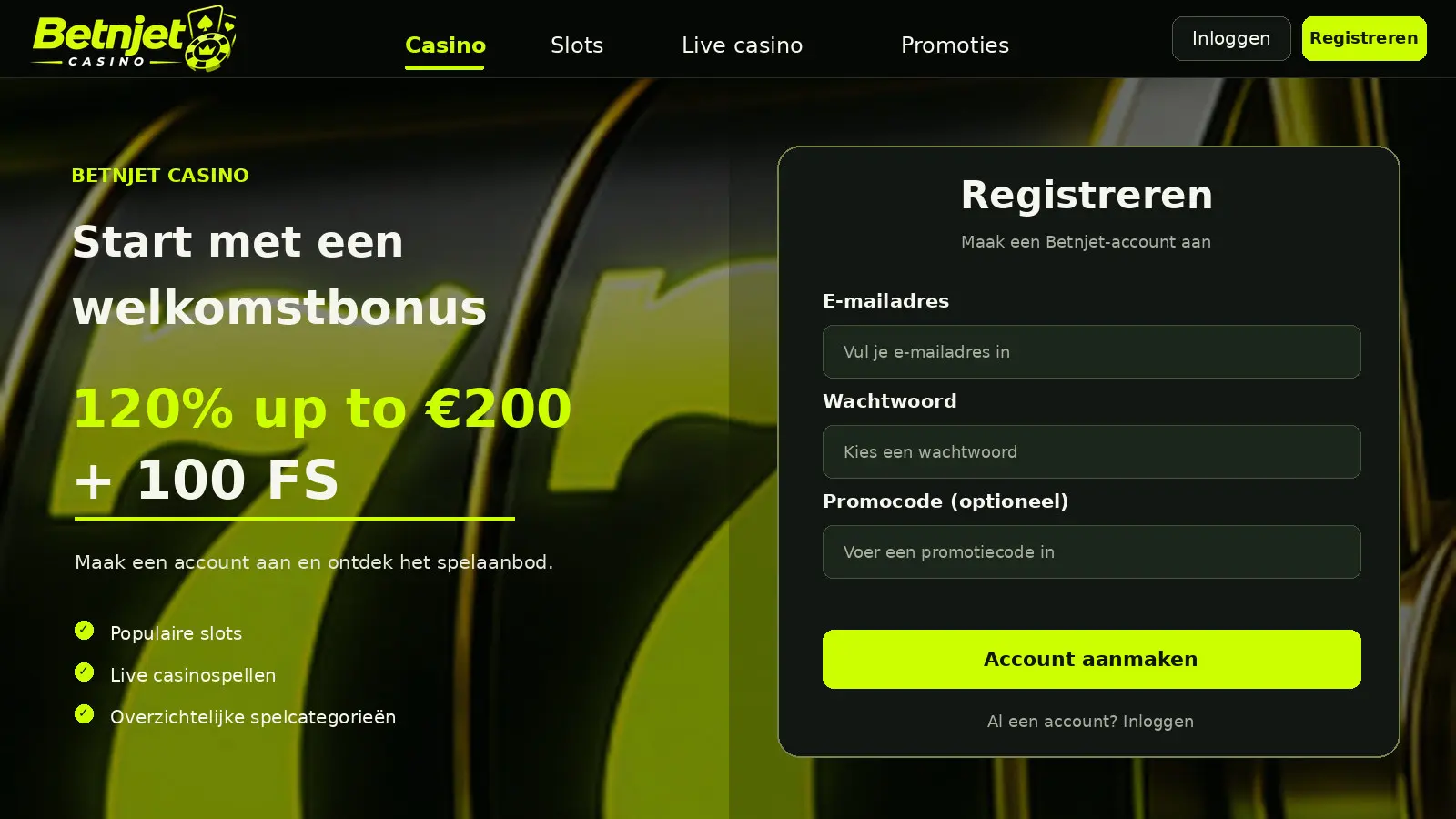
Mobile casino interfaces can be delivered through ordinary web pages, browser-based applications or separately installed software. These formats may look similar even though they are maintained and distributed in different ways. A review of Betnjet Casino mobile information should therefore avoid treating an image of a phone screen as evidence of a specific application package.
The supplied brand details describe game developers and account denominations rather than operating-system requirements or application-store records. This page explains the technology a reader may encounter on a handheld device, including common browser environments, the presentation of important terms and the handling of sensitive information. It does not claim an independently tested installation, download count or software rating.
| Mobile delivery formats | Responsive website, web app, native software |
| Common Android browsers | Chrome, Samsung Internet, Firefox |
| Common iOS browsers | Safari, Chrome |
| Game interfaces | Interactive digital content and video streams |
| Common international mobile payments | Visa, Mastercard, Skrill, Neteller |
| Device safeguards | Updated software, screen lock, permission controls |
Separating display design from delivery technology
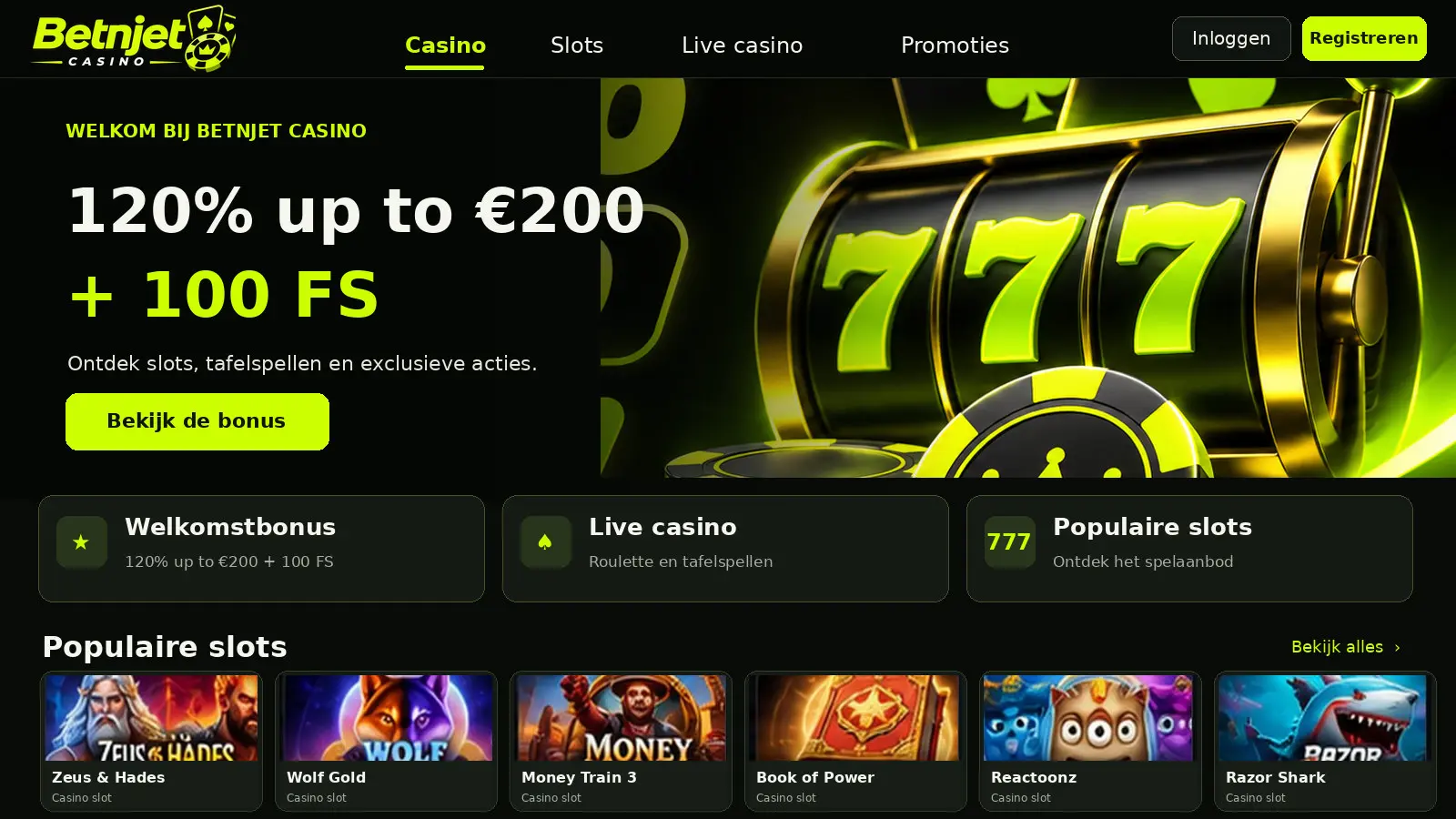
Responsive design describes how the layout changes to fit different screen widths. It can be implemented by an ordinary website without requiring installation of a separate product. A browser application may also place a shortcut on the home screen and use some local storage. A native application, by contrast, is distributed as an installable software package for a particular operating system. The difference is relevant to updates, permissions and the identity of the developer. A screenshot alone cannot establish which technical arrangement is being used. Readers should distinguish information about a mobile layout from evidence of the availability of official software.
Android browsers and operating-system variation
Chrome, Firefox and Samsung Internet are examples of browsers commonly encountered on Android devices. Support for a particular web feature depends on browser versions, system updates and device settings. Some phones apply aggressive background-process restrictions, which can affect the state of a page when another application is opened. Other devices have different screen dimensions or accessibility controls. A browser list is therefore useful context, but it is not an independent compatibility test for Betnjet. The security of any handheld device also depends on timely software updates, a secure lock screen and the avoidance of untrusted applications.
The iPhone and iPad environment
Safari is widely used on Apple mobile devices, and Chrome and other browsers may also be installed. Web functionality can vary with operating-system and regional arrangements as well as personal settings. For example, storage permissions and notification controls may affect how a page behaves. None of these general facts proves that a particular casino has a native iOS application. A site may use a home-screen icon without being a separately distributed program. The source of any installation request is important. A reader should not grant unusual device access or install unknown software merely because an interface promises a more convenient experience.
Application permissions and personal data
Installed software can request access to certain device functions. A browser page may also request permission to send notifications, use a camera or access other features supported by the system. A permission request should have a comprehensible purpose. For example, access to a camera may be relevant to photographing a document, but it should not automatically be treated as necessary for reading a game description. Users can review granted permissions in their device settings. Unnecessary access creates additional privacy exposure. Even when a request appears in a familiar brand interface, the actual recipient and the reason for collecting the information should be considered separately.
Reading terms on a small screen
The placement of terms and account details matters on a mobile interface. Financial restrictions should not be hidden by an overly narrow table or by a control that requires precise tapping. A responsive layout can place content blocks in a vertical sequence while maintaining the meaning of each item. Headings should help a reader locate payment rules, privacy information and safer gambling resources. Text scaling and adequate contrast make important details easier to read. A well-designed mobile page can improve access to information, but it cannot resolve an unfavorable account rule or change the legal position of a service. Design and substance remain separate.
Interactive games and video delivery
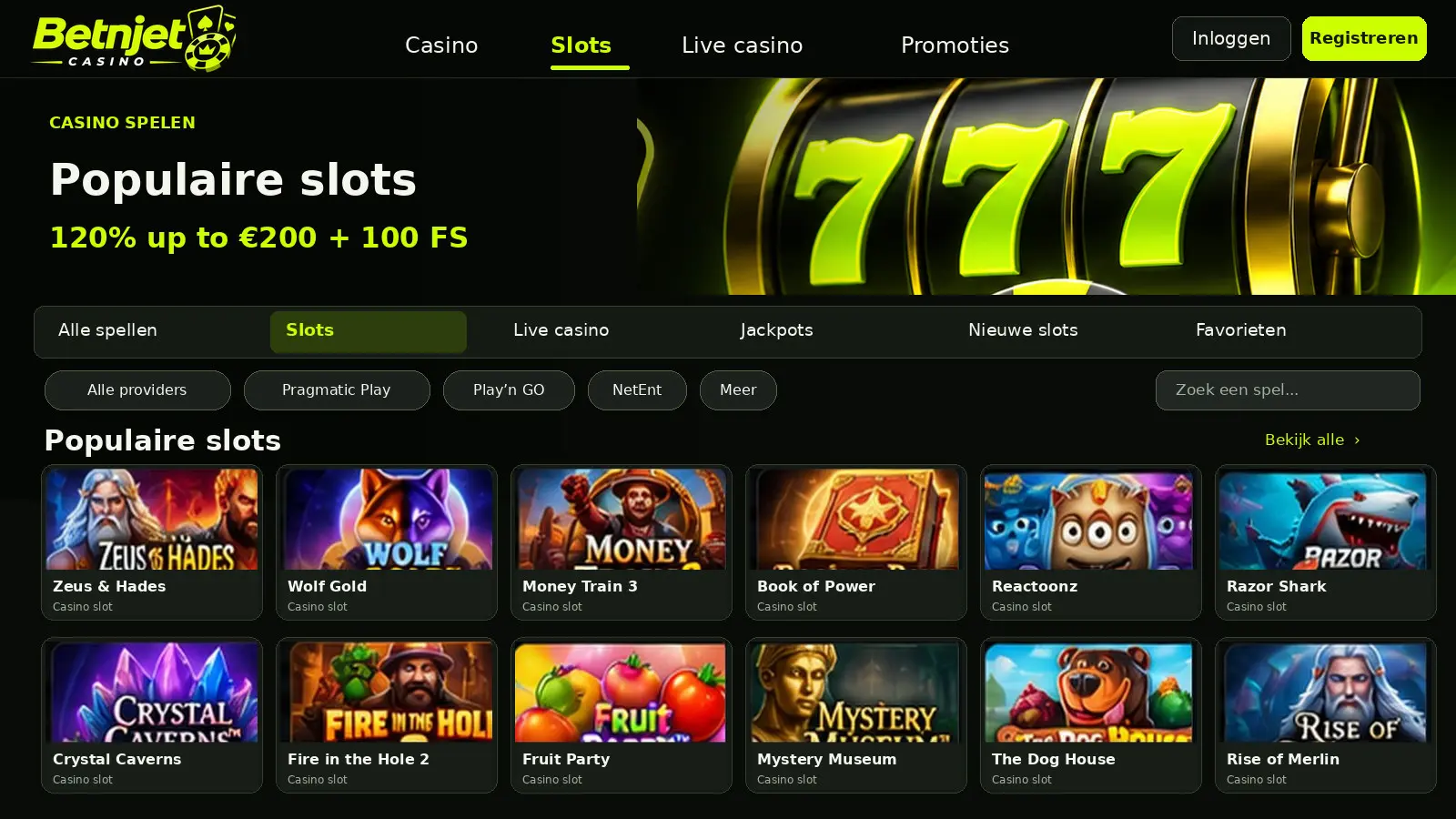
A reel-based game can use digital assets, animations and instructions exchanged with a server. A live dealer presentation adds a video stream to the interaction. These forms may place different demands on data bandwidth and device resources. The supplied Betnjet studio list includes Pragmatic Play and Evolution, names associated with different forms of casino production. The actual performance of a title depends on the version, the connection and the device. Higher resolution is a presentation characteristic rather than an improvement in the player's odds. A delayed animation should not be interpreted as evidence of a changed game result.
How financial screens differ from game screens
A mobile payment may involve a transition to another provider's interface. Cards, electronic wallets and bank-based services commonly use additional authorization screens. Visa, Mastercard, Skrill and Neteller are examples of international payment categories or brands, not a guarantee of availability at Betnjet. The important issue during a disputed transaction is whether the instruction has already been accepted and recorded. A blank or delayed display may not mean that a transfer failed. Repeatedly submitting the same financial instruction can create duplicate activity. Status records and authenticated communications should be reviewed before any conclusion is reached about an interrupted payment.
Protection against credential theft
A fraudulent message may imitate a service's name, layout or support language. Mobile screens can make it harder to see a full address or identify a misleading link. A request to supply a password, one-time code or recovery phrase should be treated differently from a normal account question. Private authentication credentials should never be handed over to a purported support representative. Device locks and unique passwords reduce certain risks, but they do not establish the legitimacy of a service. If a message appears to demand immediate action, check the actual sender through an independently authenticated channel rather than following the instructions in the message.
Local storage, history and shared devices
A browser may retain recently visited pages, cached content, form information or session identifiers. The precise behavior depends on browser configuration and the website's implementation. These records can be relevant when a device is shared with other people. A private browsing window generally reduces some local records but does not make internet activity invisible to external services. Clearing a history also does not necessarily delete information held remotely by a website. When managing privacy, distinguish device-side records from an account provider's own processing. Removing local shortcuts may also help someone who wants to reduce exposure to gambling content.
Push notifications and attention management
A request to allow notifications concerns a particular device or browser permission. It is not simply another form of agreement to read a website. Marketing alerts can interrupt work, rest or other activities and can reintroduce gambling-related thoughts at inconvenient times. A person can review the relevant permissions and disable unwanted alerts. This action is different from closing an account or requesting self-exclusion. Those measures address different forms of access. Managing attention is particularly important on devices carried throughout the day, where a promotional prompt may appear outside the context in which a person originally visited an information page.
Troubleshooting without creating additional exposure
A frozen or incomplete page may result from connectivity, software or service-side issues. When money is involved, the safest initial response is to avoid repeating an uncertain instruction. A recorded time, transaction reference and status message can help establish what occurred. Do not post account numbers, identity documents or private payment details in a public troubleshooting discussion. A request to install an unfamiliar file as a quick solution may itself create a security risk. A technical failure should be described precisely so it can be distinguished from an account restriction or a disputed balance. There is no need to resume gambling in order to investigate an existing transaction.
Accessibility in financial interfaces
Mobile controls should be distinguishable by more than color alone. Large tap targets, readable labels and logical navigation can assist people using different devices and accessibility settings. A confirmation screen should identify the amount and currency clearly, and a status message should not be confused with a new request. These principles apply to many types of financial interface, not just gambling services. They can reduce accidental interactions but cannot eliminate contractual or monetary risk. Evaluating a mobile page therefore includes both the usability of the controls and the clarity of the information attached to them.
Convenience does not reduce gambling harm
Portable access can remove natural barriers between a person and a gambling-related prompt. Someone may be exposed to an offer during a work break, late at night or while dealing with stress. The availability of a phone interface is not evidence that participation is affordable or appropriate. It also says nothing about authorization within a person's country. A mobile information guide should explain the product without assuming the reader intends to participate. If the activity is becoming difficult to control, reducing exposure, using appropriate blocking tools and seeking support are more important than finding a convenient way to access a casino environment.